The Humane Myth
The Egg Industry
Eggs in America: A Familiar Tradition with a Hidden Cost
Eggs have long been a cornerstone of American culture. From the classic “bacon and eggs” breakfast to the colorful rituals of Easter egg decorating and hunts, they’re woven into both daily life and seasonal celebrations. The average American consumes nearly 280 eggs per year—a testament to their ubiquity.
But behind this familiar staple lies a troubling reality. The egg industry is fraught with ethical, environmental, and public health concerns that often go unseen.
The Hidden Cruelty Behind Egg Production
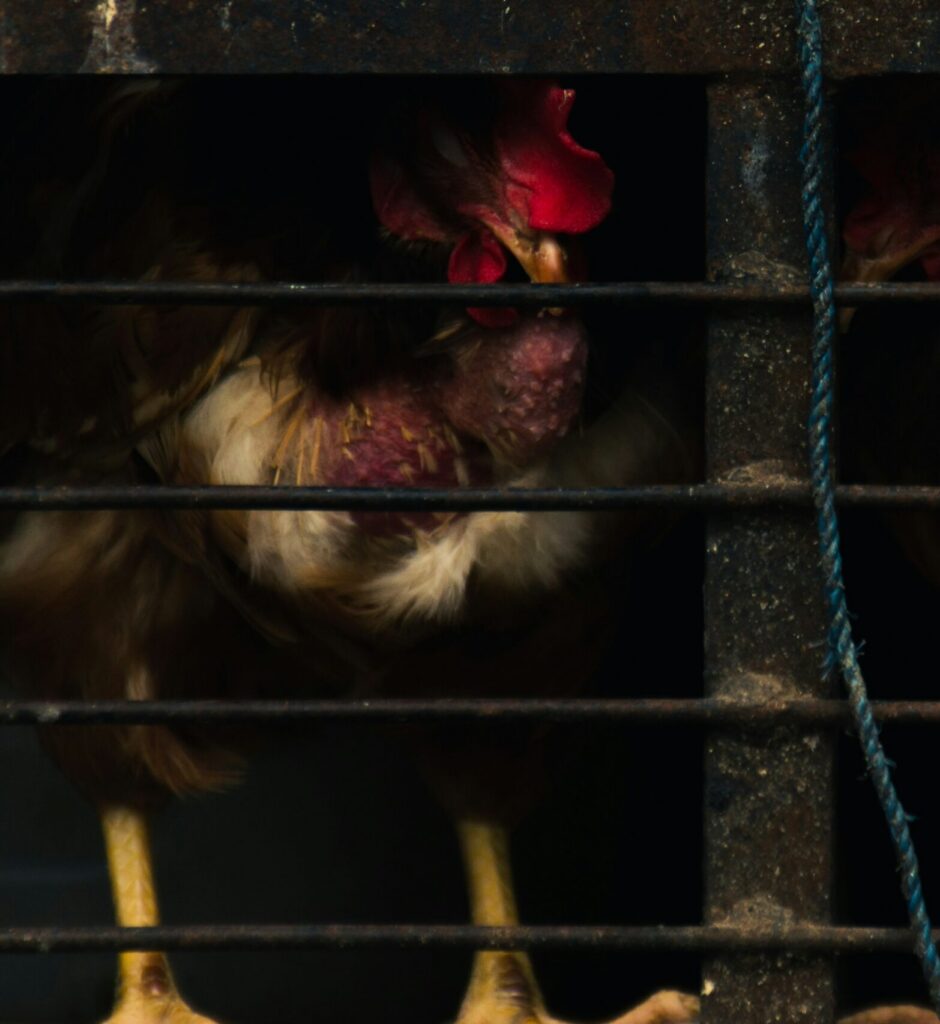
Hens raised for egg production are among the most cruelly treated animals in industrial agriculture. While a hen’s natural lifespan can exceed eight years, those in factory farms are typically slaughtered after just 18 to 24 months—once their egg-laying slows.
Their short lives are marked by suffering:
- Battery cages confine 4–10 hens in cramped spaces, denying them the ability to spread their wings or see daylight.
- Beak mutilation is common, performed without anesthesia to prevent pecking in overcrowded conditions.
- Filthy environments are the norm, with cages rarely cleaned and disease spreading rapidly.
Mass culling of male chicks—roughly 300 million annually in the U.S. alone, and 7 billion globally—is standard practice. Since males don’t lay eggs, they’re deemed worthless and killed via maceration (ground alive) or asphyxiation.
Human Health & Worker Safety
The consequences of industrial egg farming extend beyond animal welfare:
- Salmonella outbreaks, often linked to eggs and poultry, sicken around 80,000 Americans each year and can be fatal.
- Avian influenza (bird flu) has swept across continents, leading to the culling of hundreds of millions of birds. Alarmingly, it has also been detected in cattle and humans.
- Factory farm workers face hazardous conditions, including:
- Exposure to airborne pollutants and pathogens
- Physical injuries from repetitive, high-risk labor
- Chronic stress and mental health challenges
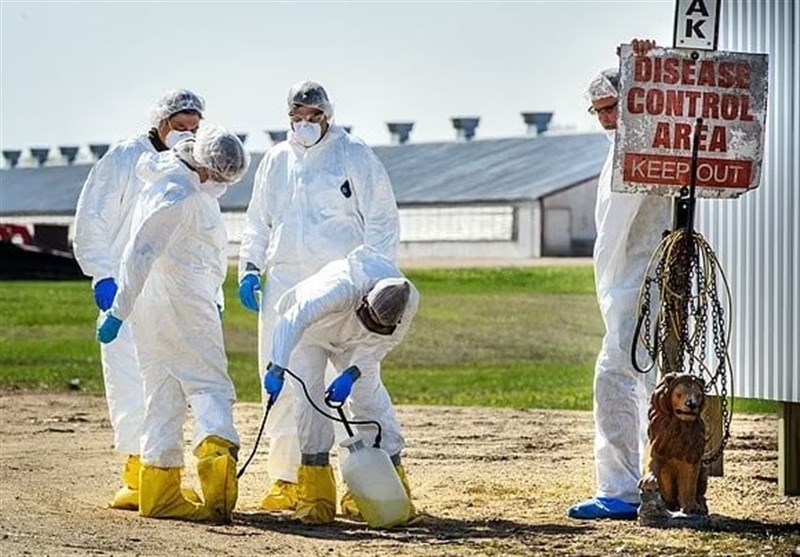
Photo by Tasnim News Agency, CC BY 4.0
Environmental Toll
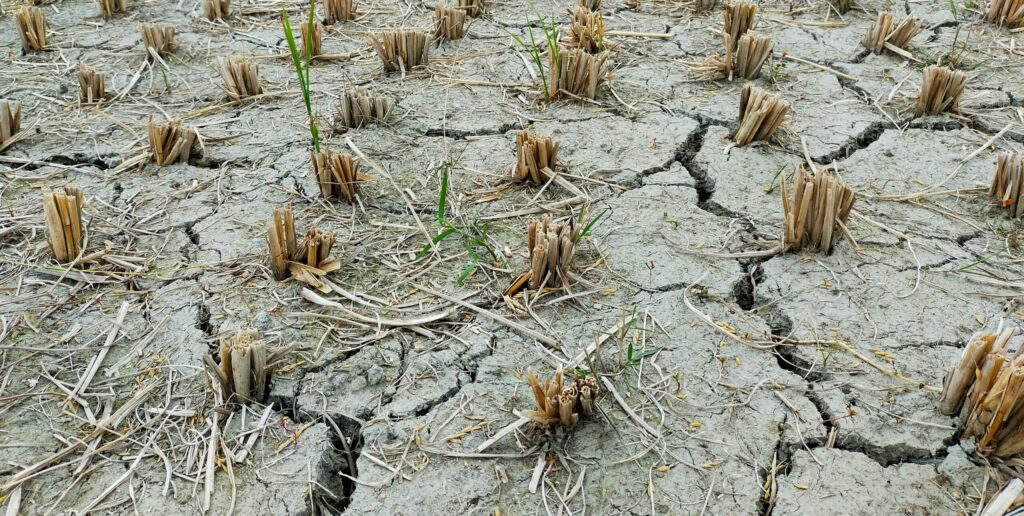
The egg industry’s environmental footprint is substantial:
- Feed production, especially soybeans, demands vast amounts of water and land.
- Manure management in large-scale operations contributes to:
- Greenhouse gas emissions
- Soil and water contamination
- Air pollution affecting nearby communities
Better Choices Ahead
Fortunately, consumers have more options than ever:
- Plant-based egg alternatives made from mung beans (Just Egg), chickpeas, or soy
- For baking ground flaxseed and aquafaba make great egg replacements
- Tofu can mimic scrambled eggs or egg salad
Every choice counts—and awareness is the first step toward change.

Want to learn more? Here are some resources to explore:
Why Dairy is Not Vegan
Dairy is not vegan because it relies on using animals for milk production, which conflicts with the principle of avoiding animal exploitation.
In the dairy industry, cows are often subjected to cycles of forced impregnation, so they continuously produce milk, which is meant for their calves. Newborn calves are typically taken away within hours or days, causing emotional distress for both mother and calf. Males, who cannot produce milk, are frequently sold for veal or beef, while females are raised to repeat the same cycle. Cows are also bred to produce unnaturally high quantities of milk, which can lead to painful health issues like mastitis and lameness. Once their milk production declines, many are sent to slaughter at a fraction of their natural lifespan.
Environmentally, dairy farming contributes to greenhouse gas emissions, deforestation, and high volumes of water usage, making it a major driver of climate change and resource depletion.
Dairy-free alternatives like oat, almond, soy, and coconut milk, as well as plant-based cheeses and yogurts, provide delicious and versatile options without animal exploitation. They are often fortified with calcium, vitamin D, and other nutrients, making them a healthy substitute. Choosing these options supports a kinder, more sustainable food system that aligns with vegan values and reduces environmental impact.
For more information on the dairy industry, please visit: