Why Go Vegan?
Introduction
Veganism is a growing movement around the world — and for good reason. It’s not just a trend or diet; it’s a conscious choice to live in a way that reduces harm, protects our planet, and nourishes our bodies. Every bite we take shapes the future: what we choose to eat can either support destructive industries or help create a kinder, more sustainable world.
People choose veganism for many reasons, but three of the most powerful are:
- Compassion for animals.
- Care for the environment.
- A commitment to personal health.
1. Vegan for the Animals
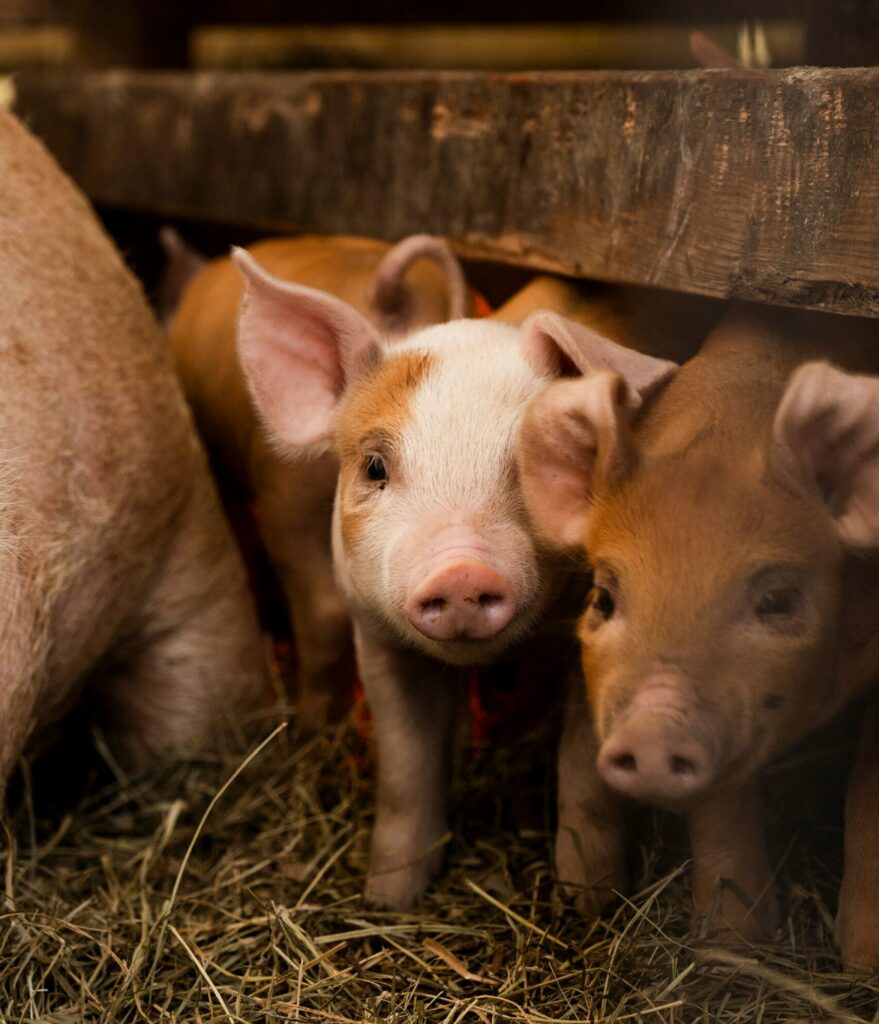
Behind every steak, glass of milk, or carton of eggs is an animal with the capacity to feel pain, fear, and joy. Industrial farming systems confine billions of animals every year in cramped cages, feedlots, and sheds. Many never experience sunlight, fresh air, or natural behaviors.
- Dairy cows are forcibly impregnated, separated from their calves within hours, and milked until their bodies are exhausted.
- Egg-laying hens often spend their lives in cages so small they can’t spread their wings.
- Pigs are kept in gestation crates, unable to turn around, until slaughter.
By choosing vegan foods, each person spares around 200 animals every year from suffering (Vegan.org). It’s one of the most direct ways to live with compassion.
Learn more:
- Vegan Society – Why go vegan (Animals)
- Humane Society International – Factory Farming Facts
2. Vegan for the Environment?
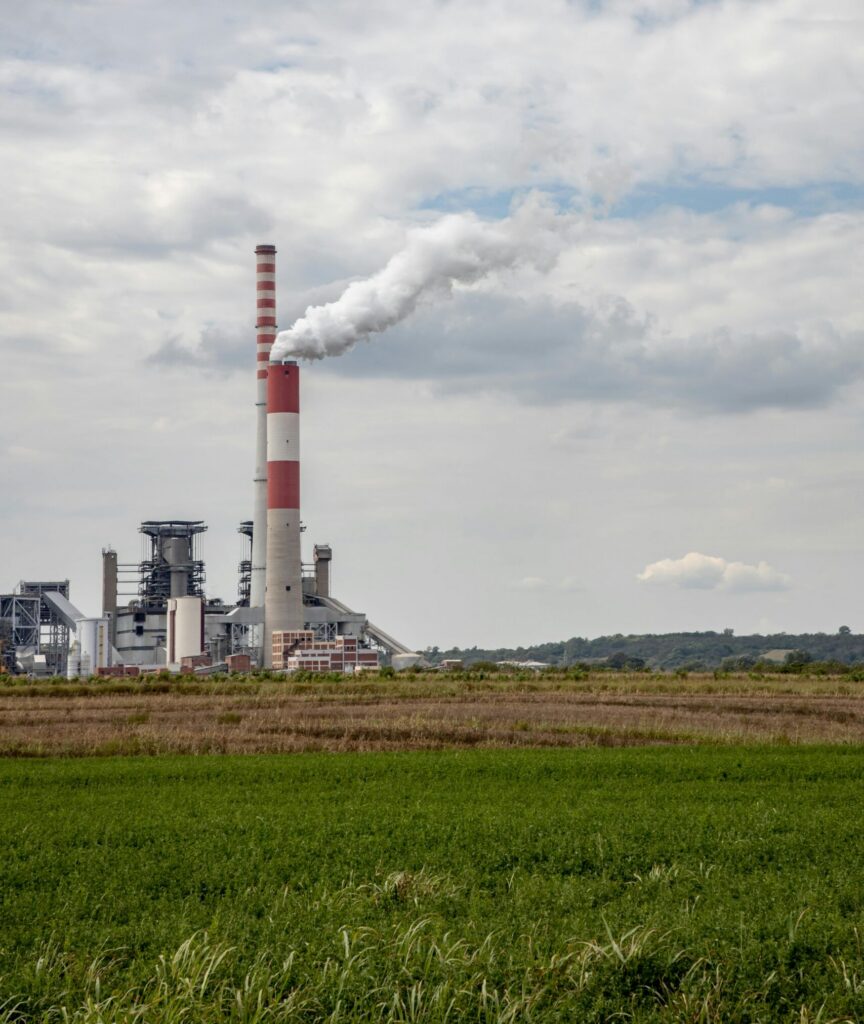
Animal agriculture is one of the leading drivers of climate change, deforestation, and biodiversity loss. Raising animals for food is extremely resource-intensive:
- Greenhouse Gases: A vegan diet produces up to 75% less greenhouse gas emissions compared to meat-heavy diets (The Guardian).
- Water Use: It takes 460 gallons of water to make a single beef burger, while growing beans or lentils uses only a fraction of that (The Humane League).
- Land Use: Nearly three-quarters of all farmland is used to raise animals or grow crops to feed them. If the world went plant-based, we could free up land the size of Africa — land that could restore ecosystems and capture carbon.
Choosing vegan meals helps protect forests like the Amazon, safeguard endangered species, and slow climate breakdown.
Learn more:
3. Vegan for Health?
A well-planned vegan diet provides all the nutrients your body needs — while lowering the risk of many chronic diseases. Science increasingly shows that eating more whole plant foods leads to healthier, longer lives.
Health Benefits of Veganism:
- Heart Health: Plant-based diets lower cholesterol and blood pressure, reducing the risk of heart disease (Healthline).
- Weight & Diabetes: Vegan diets are linked with lower body weight and improved blood sugar control, helping prevent and even reverse type 2 diabetes.
- Cancer Prevention: Higher intake of legumes, fruits, and vegetables — combined with avoiding processed and red meats — reduces cancer risk.
- Longevity: Vegans tend to have lower risks of premature death from major causes.
Nutrition Considerations:
Vegan diets are naturally rich in fiber, antioxidants, and essential vitamins and minerals. However, some nutrients like B12, vitamin D, iodine, calcium, and omega-3s require attention through fortified foods or supplements (Vegan Society).
Learn more:
- PMC – Health outcomes of vegan diets
- Vegan Society – Nutrition & Health

Summary & Next Steps
Going vegan is a powerful way to align your actions with your values:
- It saves countless animals from suffering.
- It helps restore balance to our planet’s ecosystems.
- It supports health and vitality for years to come.
You don’t have to change overnight — even small steps make a difference. Try Meatless Mondays, swap dairy milk for oat or soy milk, or explore new plant-based recipes. Every choice matters.
Ready to get started?
- Veganuary – Try vegan for 31 days
- Challenge 22 – Free vegan mentor program
- Vegan Society – Your vegan journey
Together, we can create a kinder, healthier, and more sustainable world — one plate at a time.